
Sinking Funds: What They Are, How to Start, and 25 Categories
A sinking fund is money you set aside a little at a time for an expense you know is coming, so that when it arrives it's already paid for. Car registration, holiday gifts, the annual Amazon Prime renewal, back-to-school clothes: none of them are emergencies, but they feel like one when they hit a month that was already tight.
Sinking fund vs emergency fund
An emergency fund covers the unexpected: a job loss, an urgent car repair, a medical bill. A sinking fund covers the expected but irregular. Keeping them separate means a planned expense never drains the money that's meant to protect you.
How to calculate what to save
Use this formula for each fund:
Amount needed ÷ number of paychecks (or months) until it's due = amount to save each time.
Example: holiday gifts cost you about $600 and December is ten months away. $600 ÷ 10 = $60 a month, or about $28 per biweekly paycheck.
How to start
- Look back at the last 12 months of bank and card statements and list every expense that didn't happen monthly.
- Pick the three to five that cause the most stress. Don't start with 25 funds.
- Calculate the per-paycheck amount for each.
- Open a separate high-yield savings account, or use a bank that lets you create "buckets" inside one account.
- Automate the transfer for payday, and track balances on a simple tracker.
25 sinking fund categories
- Christmas and holiday gifts
- Birthdays
- Car registration and inspection
- Car maintenance and tires
- Car insurance (if paid yearly)
- Home or renters insurance
- Property taxes
- Home repairs
- Medical and dental copays
- Pet care and vet visits
- Annual subscriptions
- Vacation
- Back-to-school
- Kids' activities and sports fees
- Clothing
- Haircuts
- Weddings and showers you're invited to
- Holiday travel
- New phone or laptop
- Furniture
- Professional dues or license renewals
- Tax prep or a tax bill
- Charitable giving
- Halloween and Thanksgiving hosting
- A "next car" fund
Tips that make sinking funds stick
- Start small. Even $10 per paycheck is better than nothing when the bill arrives.
- Name the buckets. "Hawaii 2027" is harder to raid than "Savings 2".
- Use three-paycheck months. If you're paid biweekly, two months a year bring an extra check; it can top up every fund at once. See how to budget by paycheck.
Trackers that help
Our Budget Buddy printable includes sinking fund, savings and debt trackers alongside 12 monthly budget pages, and our paycheck spreadsheet tracks savings goals with projected finish dates.
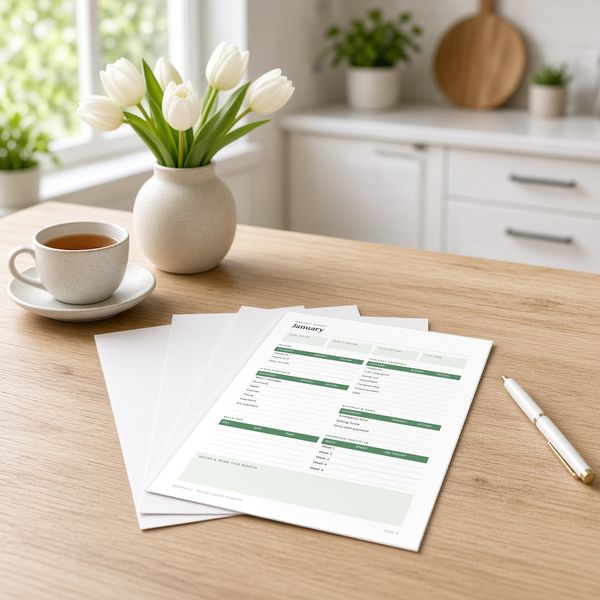 Budget Buddy Monthly Budget Planner Printable$15.99 · Instant downloadView the printable →
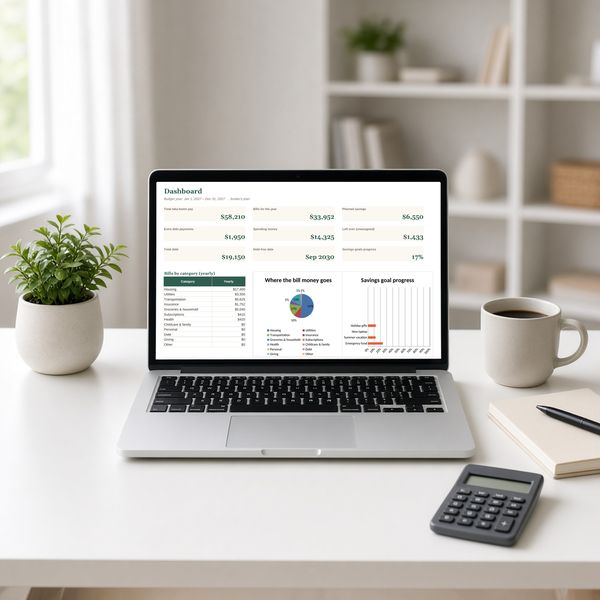 Paycheck Budget Planner Spreadsheet for Google Sheets & Excel$18.99 · Instant downloadView the printable →
This guide is general information, not financial advice.
Frequently asked questions
How many sinking funds should I have?
Start with three to five covering the irregular expenses that hurt most, such as holidays, car costs and annual bills. Add more once those are running automatically.
Where should I keep sinking funds?
Many people use a separate high-yield savings account or a bank that offers named savings buckets, so the money is easy to track and harder to spend by accident.